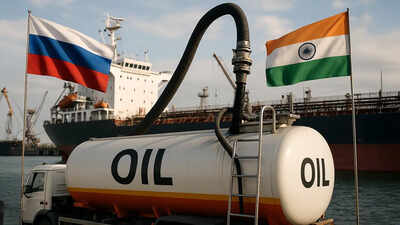
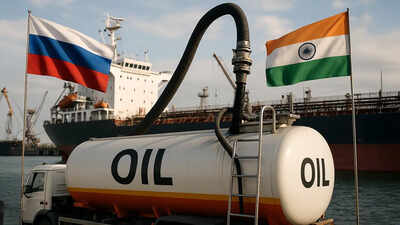
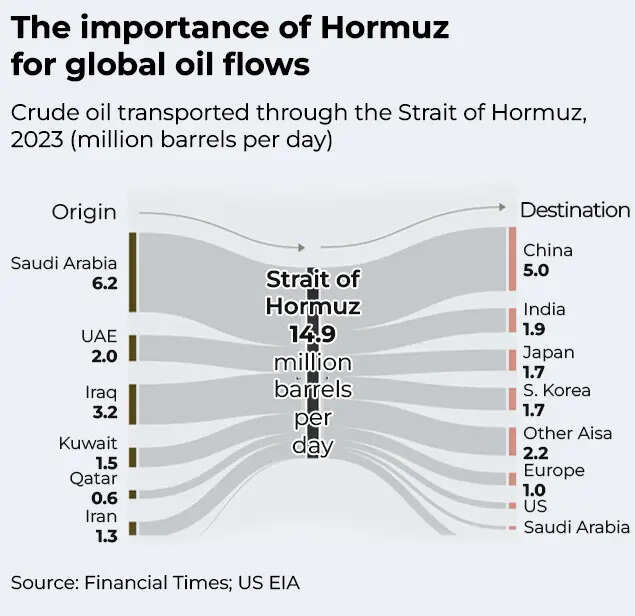
As supply disruptions from the Strait of Hormuz continue due to the US-Iran war, India has stepped up its purchases of Russian crude oil. In fact, compared to the January levels, India’s procurement of Russian crude may actually double!Russian crude has once again taken centre stage amid the ongoing US-Iran conflict, as disruptions in global supply through the Strait of Hormuz have made it difficult for Middle Eastern producers to ship oil, driving prices sharply higher. This has had a significant impact on India, which depends on imports for nearly 90% of its crude oil needs.
Traditionally, India has sourced most of its crude from the Middle East, particularly Iraq, Saudi Arabia and the UAE, owing to geographical proximity, established contracts and reliable shipping routes.
Russian Crude Imports May Double!
India and Russia are moving to strengthen their energy ties, with discussions underway to enable Moscow to restart direct liquefied natural gas sales to India for the first time since the Ukraine conflict began.According to a Reuters report, decisions on energy ties took place on March 19 in Delhi between Russian Deputy Energy Minister Pavel Sorokin and Petroleum and Natural Gas Minister Hardeep Singh Puri. Both sides explored expanding crude oil trade. According to three people aware of the deliberations, Russian oil supplies to India could rise sharply, potentially doubling from January levels to account for at least 40% of India’s total imports within about a month!Following the outbreak of the Russia-Ukraine war in 2022, Russia had emerged as a major supplier, accounting for about 35–40% of India’s crude imports at one point. However, by early 2026, sanctions led to a decline in these purchases. However, the situation has shifted again in March 2026 after the Donald Trump administration introduced a 30-day waiver allowing the purchase of Russian crude in an effort to stabilise global oil prices. While India never completely stopped importing Russian oil, volumes had dropped sharply after sanctions were imposed on major Russian producers.
After Western sanctions following the Ukraine conflict limited Russia’s access to European markets, India increased its intake of Russian oil, attracted by discounted prices and compatibility with domestic refineries.Also Read | US-Iran war impact: India’s crude imports from Russia near all time highs; will such high numbers continue?This strategy helped lower import costs and diversify supply sources. However, towards the end of 2025 and into early 2026, India reduced purchases of Russian crude amid trade negotiations with the US and concerns over tariffs and sanctions. In August 2025, the US imposed a 25% tariff linked to India’s Russian oil imports, while sanctions on companies such as Lukoil and Rosneft further constrained procurement, leading to a gradual dip in volumes. That trend has now reversed.Data from Kpler indicates that India has already bought an estimated 45–50 million barrels of Russian crude since the onset of the Middle East conflict, with actual figures likely higher as April data is still pending. Current trends suggest that March imports could reach around 1.8 to 2.0 million barrels per day, marking one of the strongest months since India significantly increased purchases after the Ukraine war. This compares with earlier levels of about 1.0 million barrels per day.Historically, India’s peak monthly intake of Russian crude has been in the range of 2.0 to 2.1 million barrels per day since 2022. The latest surge indicates that imports are once again approaching those earlier highs, reversing the decline seen in recent months.