
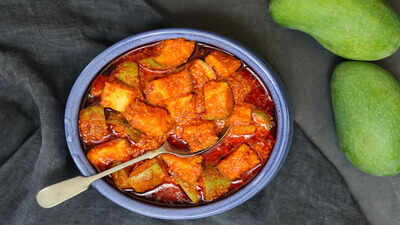
Homemade pickles carry a kind of old-world promise. They are sharp, salty, spicy and deeply satisfying, the sort of preserve that can brighten a meal with just a spoonful. But they can also turn disappointing fast. One bad jar can mean soft vegetables, a strange smell, cloudy brine or worse, visible mould creeping across the top. That is the tricky truth about home pickling: it looks simple, but it depends on precision. Pickles spoil not because the idea is flawed, but because small mistakes in preparation, moisture, salt balance or storage create the perfect opening for unwanted microbes. The good news is that most of those mistakes are easy to avoid. Scroll down to read more…
Why homemade pickles go bad
The biggest reason homemade pickles spoil is contamination. A jar that is not properly cleaned, a spoon that carries moisture, or vegetables washed and packed without drying can all introduce bacteria or fungi into the mix. Pickling works by creating an environment that is too acidic, salty or dry for spoilage organisms to thrive. When that balance is off, the protection weakens.Too much moisture is another common culprit. Water from washed vegetables, damp utensils or condensation inside the jar can dilute the brine and encourage mould. This is especially important in humid weather, when even a well-made pickle can weaken if stored carelessly.
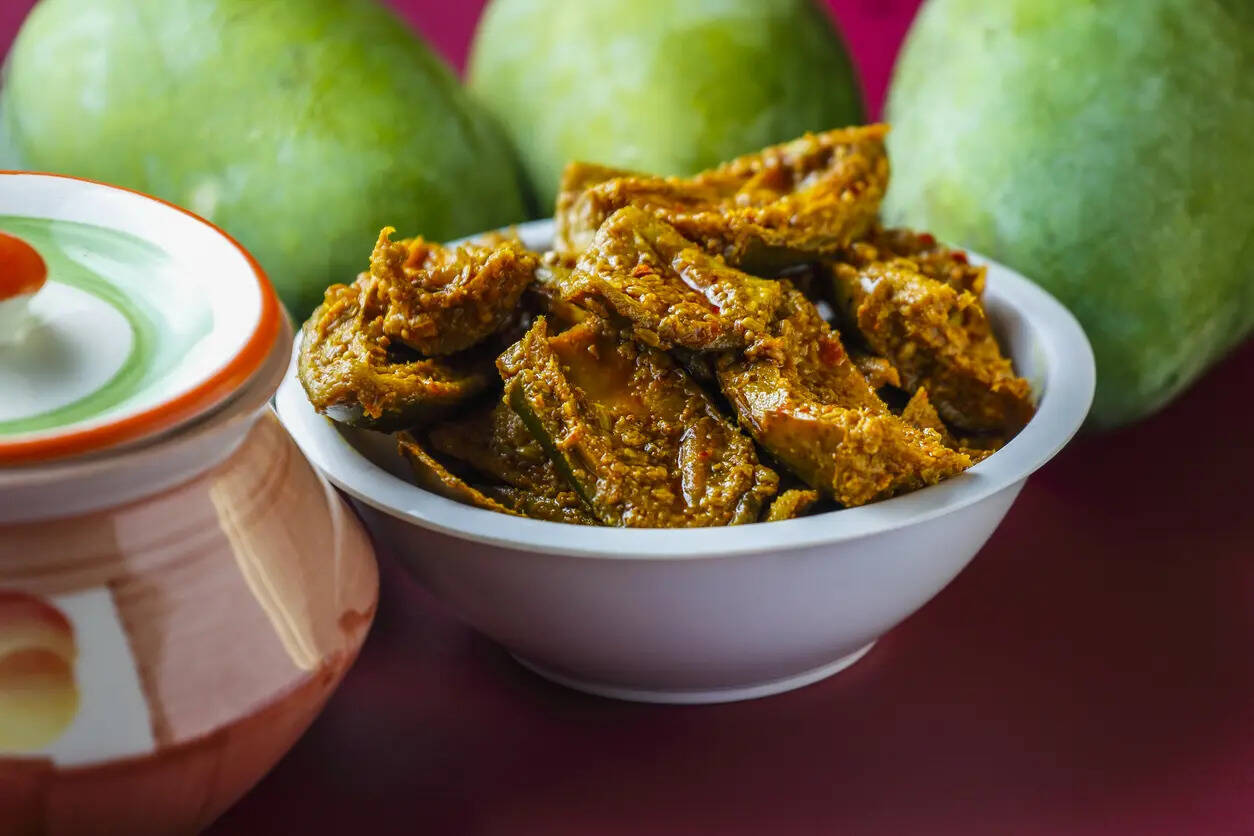
Salt also matters more than many home cooks realise. It is not just there for taste. Salt helps draw moisture out of vegetables and supports safe fermentation or preservation. Too little, and the pickle can lose structure and develop off flavours. Too much, and the texture can become unpleasant, though the bigger risk is usually imbalance rather than over-salting.Then there is the problem of exposure to air. Once a pickle is not fully submerged in brine or oil, the top layer becomes vulnerable. Air can speed up oxidation, spoil flavour and invite mould. For oil-based pickles, this is especially important, because exposed ingredients can turn rancid or spoil at the surface.Finally, storage temperature plays a major role. Pickles kept in warm, bright places break down much faster. Heat can soften vegetables, weaken spices and accelerate fermentation beyond control. Light can also damage flavour, especially in oil-based preparations.
Use clean, completely dry jars
The first rule of long-lasting pickles is simple: start clean and stay dry. Wash jars, lids, spoons and any other tools thoroughly, then dry them completely before use. Even a few droplets of water can create trouble later. If you are making a large batch, it is worth letting the jars air-dry fully rather than rushing the process.
Keep the vegetables fully submerged
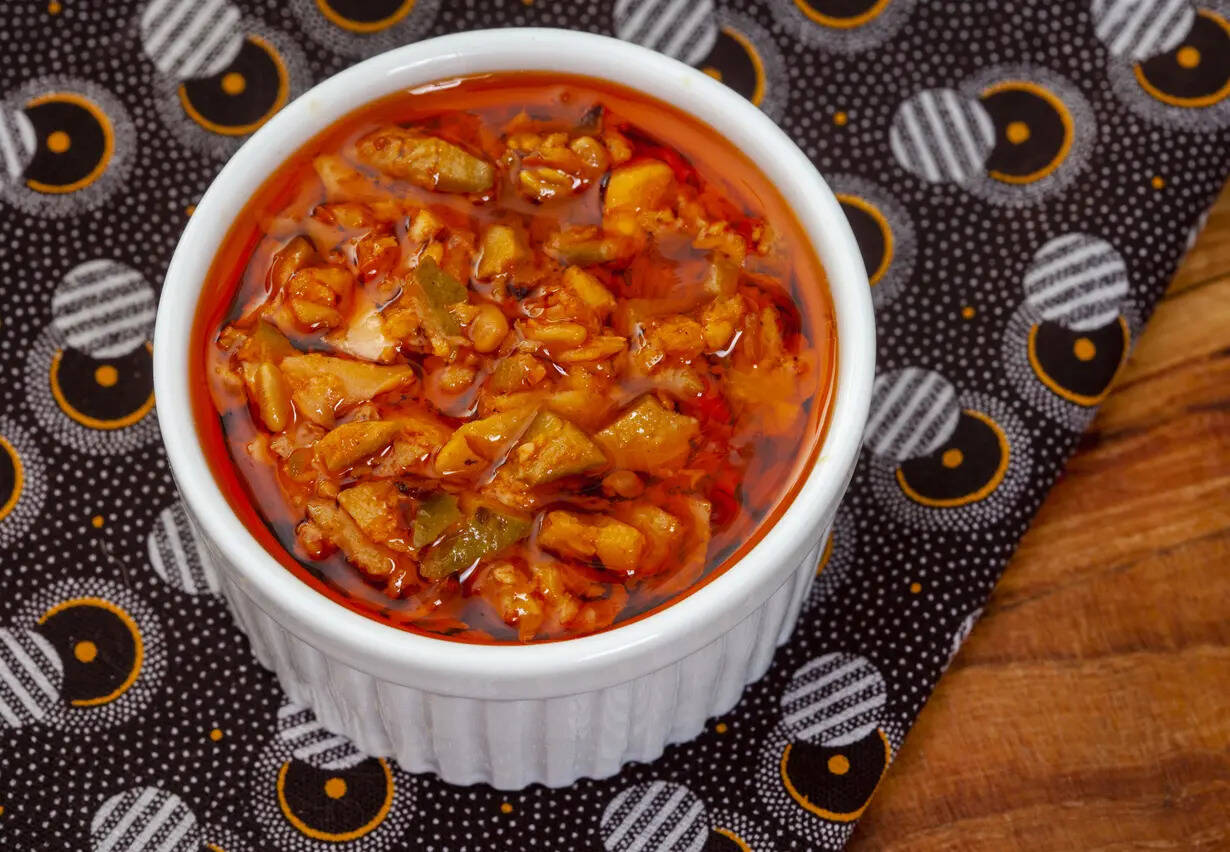
Whether your pickle is in brine, vinegar or oil, everything should remain covered. Exposed pieces are the first to spoil. If needed, press the vegetables down with a clean weight, spoon or small sterilized object to keep them below the liquid line. This single habit can dramatically improve shelf life.
Get the salt and acid balance right
Pickles rely on the right level of salt, vinegar or both. Do not reduce the salt casually unless the recipe is designed for it. Salt is part of preservation, not just seasoning. The same goes for vinegar in quick pickles. Use a recipe that gives clear proportions and stick to it closely, especially if you are making a batch for storage rather than immediate eating.
Dry your ingredients well before pickling
Vegetables should be washed, then dried properly before they are mixed with spices, oil or brine. Moisture trapped on the surface can shorten the life of the pickle. This is particularly important for Indian-style pickles made with mango, lemon, chilli or mixed vegetables. A little patience at the drying stage can save the whole batch later.
Store the jar in a cool, dark place
Pickles keep best away from heat and sunlight. A cupboard or pantry shelf is usually better than a sunny kitchen counter. Once opened, many pickles do even better in the refrigerator, especially if they are vinegar-based or have a lower oil content. Cool storage slows down spoilage and helps flavours stay sharper for longer.
Always use a clean spoon
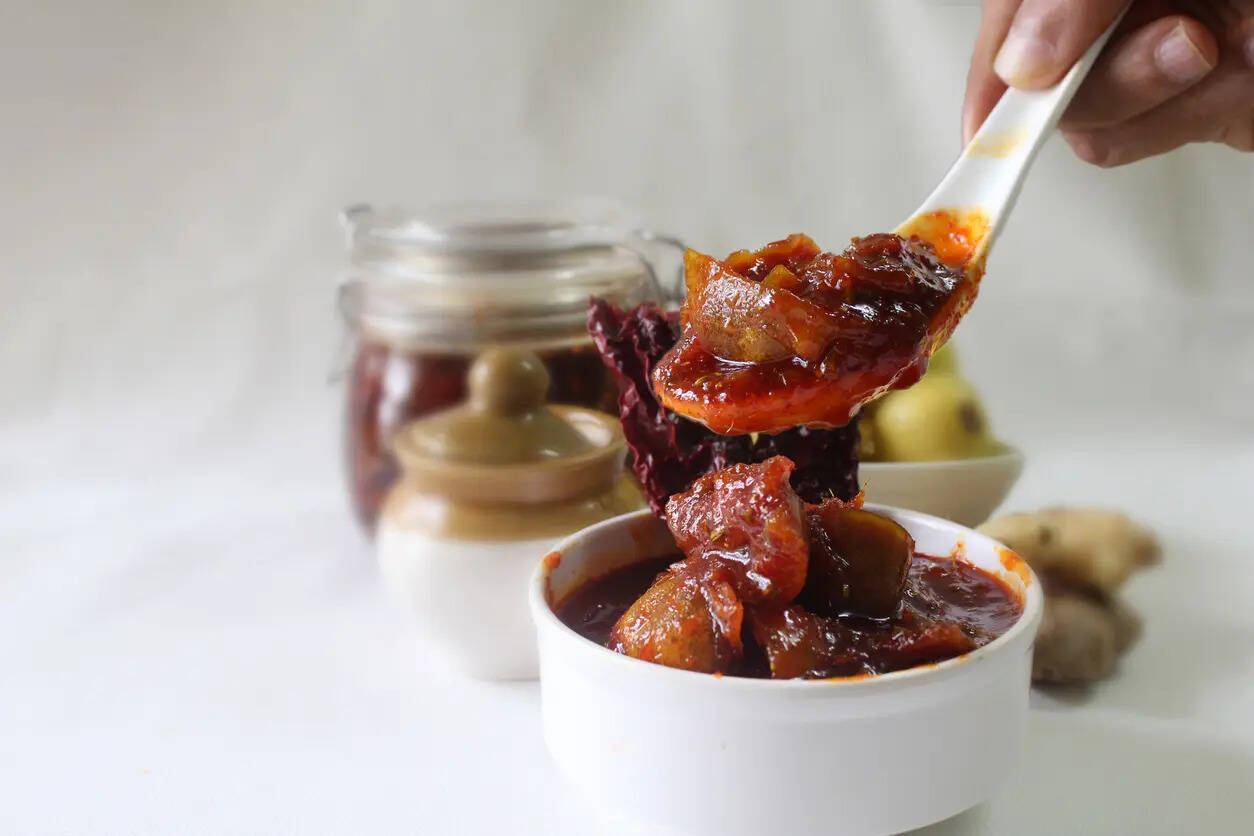
It sounds ordinary, but this is one of the most important habits. Never dip a wet, used or dirty spoon into a pickle jar. That introduces moisture and germs straight into the preserve. Use only a clean, dry spoon every time, and close the jar tightly immediately after serving.
Check for early warning signs
Even with careful handling, pickles should be checked regularly. A sour smell that turns unpleasant, a slippery texture, visible mould, bubbling when it should not be fermenting, or a strange colour change are all warning signs. When in doubt, it is safer to discard the batch than to risk eating spoiled food.Homemade pickles reward care. They do not ask for fancy equipment or complicated methods, only attention to detail. Keep them dry, balanced, covered and cool, and they can stay bright and delicious far longer than most people expect.