
For years, internet beamed from space sounded like a future concept. Now, it’s officially here. Elon Musk’s Starlink has quietly gone live in the United Arab Emirates, appearing on the company’s availability map and opening the door for residents to access satellite-powered internet for the first time.But while the headline sounds simple,“Starlink is now available”, the reality is more layered. From pricing in dirhams to how it actually works and whether it can replace your home Wi-Fi, here’s the full picture.
Starlink UAE price revealed
The biggest talking point for residents is cost, and Starlink is positioning itself as a premium alternative.According to official listings, monthly plans in the UAE start from around Dh230, with standard packages going closer to Dh300 per month, depending on usage and plan type.Business-focused plans are also available at slightly higher tiers, designed for companies needing stable connectivity in remote areas.Additionally, users must purchase the Starlink hardware kit, a one-time investment that includes the satellite dish and router, typically costs a few thousand dirhams globally. This means getting started isn’t cheap, but it offers something traditional providers don’t
How Starlink works?
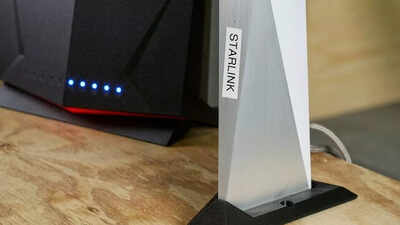
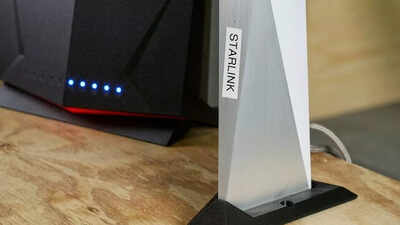
Developed by SpaceX, Starlink uses a constellation of low-Earth orbit satellites to beam internet directly to a small dish installed at your home or site.Because it doesn’t rely on fibre cables or mobile towers, it can deliver connectivity in places where networks struggle, from desert camps to offshore operations.The key advantage is coverage without infrastructure, combined with faster speeds and lower latency compared to older satellite systems. Globally, the service is already active in over 150 countries, showing how quickly it has scaled.
Is Starlink fully usable in UAE homes?
Yes, Starlink is now technically available in the UAE. But that does not automatically mean full, unrestricted home use for everyone.Telecom services in the country are regulated by the Telecommunications and Digital Government Regulatory Authority, and any new provider must align with national frameworks.That means:
- Availability may vary depending on approvals and setup
- Usage cases are still evolving
- It may not yet function as a direct replacement for home fibre in all areas
In simple terms: you can access it, but it’s not yet a complete mainstream alternative.
Starlink already rolling out on flights
A clear sign of Starlink’s traction in the UAE is its adoption in aviation. Dubai-based Emirates is already rolling out free Starlink-powered Wi-Fi across its aircraft fleet, with plans to expand to 150 planes by 2026.Officials have described passenger feedback as “very positive”, highlighting the service’s speed and reliability at cruising altitude. This shows that while home usage is still evolving, institutional adoption is already happening at scale.