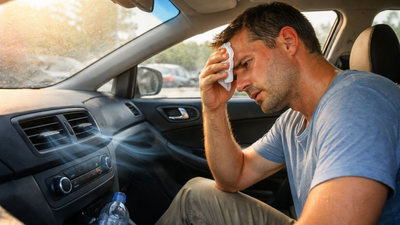
Complaints about poor car air-conditioning performance typically rise during peak summer months, but often the problem is linked to user habits rather than mechanical faults. Workshops report an increase in AC inspections as temperatures climb, with many motorists suspecting low refrigerant levels or component failures. However, technicians note that in many cases the system is operating normally. Cooling efficiency is frequently affected by how the vehicle is used and maintained.Here are the five mistakes you should avoid1. Turning the AC on at full blast immediatelyOne common mistake is switching the AC to maximum cooling immediately after entering a vehicle parked in direct sunlight. When the cabin is overheated, trapped hot air must first be expelled before cooling becomes effective. Experts advise lowering the windows briefly to release built-up heat, then turning on the AC to reduce strain on the compressor and improve cooling speed.2. Incorrect use of recirculation modeIncorrect use of recirculation mode is another factor. The feature is intended to circulate cabin air instead of drawing in hot external air. Keeping the system in fresh air mode during peak heat forces it to cool warmer outside air repeatedly, slowing the process. After initial ventilation, switching to recirculation mode allows the cabin to cool faster and maintain temperature more efficiently.
3. Ignoring cabin air filterNeglecting the cabin air filter can also reduce performance. Dust and debris accumulation restrict airflow through the vents, making cooling feel inadequate even when the system is functioning properly. Manufacturers recommend inspecting or replacing the filter at prescribed service intervals, with more frequent checks in dusty conditions.4. Skipping regular AC serviceSkipping regular AC servicing further affects efficiency. Refrigerant levels may decline due to minor leaks, and components such as compressors and condensers can wear over time. Delaying inspection until cooling drops sharply can lead to higher repair costs. Routine checks help identify issues early and maintain system performance.5. Parking habitsParking practices also influence cabin temperature. Vehicles left in direct sunlight for long periods experience a rise in interior heat, as surfaces absorb and retain warmth. Dark interiors and glass without heat-rejection properties can add to the buildup, increasing the time and effort required to cool the cabin. Parking in shaded areas, using reflective sunshades and slightly venting windows, where safe, can help limit heat accumulation.Overall, AC performance depends not only on system condition but also on usage patterns. Ventilating the cabin before activation, selecting the correct mode and following service schedules can improve cooling efficiency during peak summer.