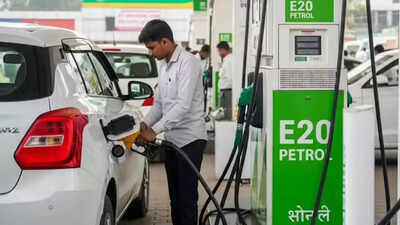
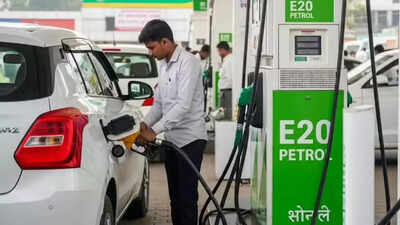
India has taken a major step towards cleaner mobility, with E20 petrol now becoming the standard fuel across the country from April 1, 2025. The new mandate requires petrol pumps nationwide to supply fuel blended with up to 20 percent ethanol.The directive, issued earlier by the Ministry of Petroleum and Natural Gas, applies to all states and Union Territories. Oil marketing companies have been instructed to ensure that the fuel meets Bureau of Indian Standards (BIS) norms, so that quality remains consistent across regions. Here’s a quick look at the details around this mandate and how it affects you.
What is E20 fuel and how does it affect your vehicle?
So, what exactly is E20 fuel? In simple terms, it is petrol mixed with 20 percent ethanol. Ethanol is a biofuel made from crops such as sugarcane, maize and other grains. It burns cleaner than pure petrol and has a higher octane value. While regular petrol in India typically has an octane rating of around 91 to 92 RON, E20 fuel comes with a minimum rating of 95 RON. This higher octane helps in smoother combustion.
For car owners, the impact depends on the vehicle. Most newer cars sold in India, especially those manufactured in the last couple of years, are already designed to be compatible with E20 fuel. Automakers have been updating engines and fuel systems to handle higher ethanol blends, ensuring that performance and reliability remain unaffected.For older vehicles, the government and manufacturers have stated that E20 can still be used. However, there may be a slight drop in fuel efficiency in some cases. However, the higher octane rating can also help engines run smoother under certain conditions.The bigger picture behind this shift goes beyond just vehicles. The move is aimed at reducing India’s dependence on imported crude oil, which remains a major expense for the country. By increasing the use of domestically produced ethanol, the government expects to save foreign exchange and improve energy security over time.