The International Energy Agency (IEA) said on Wednesday it would release 400 million barrels of oil from emergency reserves, the largest release in the multinational organization’s history.
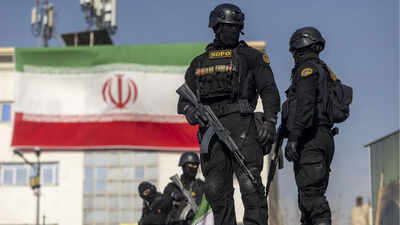
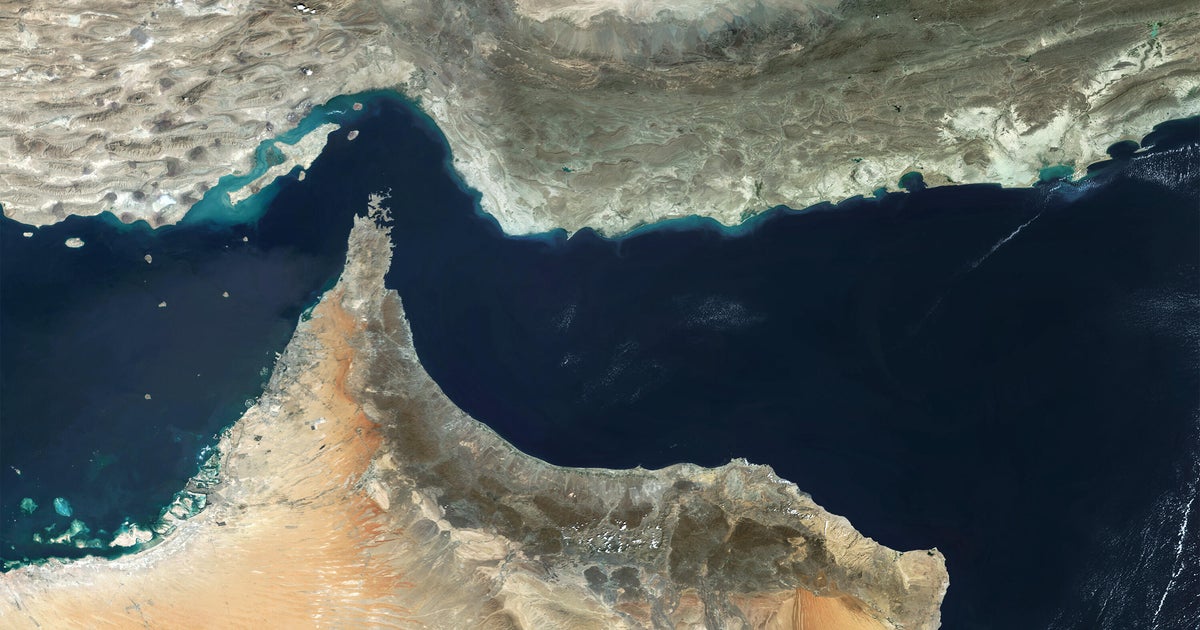
The announcement comes as the Strait of Hormuz remains effectively closed because of the Iran War. Normally, roughly a fifth of the world’s oil supply flows through the critical waterway.
The IEA’s aim is to maintain energy security, and “this is what we are doing today for oil markets,” the group’s executive director, Fatih Birol, said in a news conference on Wednesday.
Adding oil to global markets will help “offset the supply lost through the effective closure of the strait,” Birol said, adding that the move marks a “major action” to tame market disruption.
Strait of Hormuz security remains key
Over the longer term, it remains critical that the strait reopen to ship traffic, said Birol, highlighting the importance of preserving the transport of oil to global markets. Middle East oil producers have halted production because they lack “sufficient routes to market” and have no more capacity to store oil, he said.
The IEA, which consists of 32 member countries, including the U.S., works with governments and industry to set energy policy.
Global oil prices shot up to nearly $120 barrel earlier this week on concerns that the Iran war could lead to a prolonged blockage of the Strait of Hormuz.
The price for a barrel of Brent crude, the international standard, rose 3% to $90.42 ahead of the IEA’s announcement. A barrel of West Texas Intermediate crude, the U.S. benchmark, gained 1.5% to $84.73.
Band-aid on oil prices?
“On the face of it, a large release of strategic reserves from the IEA would help to bring prices down,” Hamad Hussein, climate and commodities economist with investment adviser Capital Economics, said in a note to clients. “Indeed, oil prices fell back below $100 [per barrel] this week following discussions that the IEA was considering releasing oil reserves.”
Hussein noted, however, that whether lower oil prices could be sustained depends on how the conflict evolves. Another major factor that could affect oil prices is whether China, which isn’t a member of the IEA, opts to release oil, he noted.
“China appears to have amassed plenty of oil stocks in recent years by building storage sites and purchasing reserves. The government does not publish official data on the size of oil stocks, but most estimates put them at 1.1-1.4 [billion] barrels across strategic and commercial stockpiles.
— This is a developing story. Check back for updates.