


As unstable weather continues to sweep across the UAE, the travel disruption is no longer confined to roads and city life but has now spilled into the skies, triggering a wave of flight delays, cancellations and urgent travel advisories from major airlines. For thousands of passengers planning to fly in or out of hubs like Dubai and Abu Dhabi, the situation has turned fluid, unpredictable and, at times, chaotic.
A turbulent week for UAE aviation
The latest updates from airlines and airport authorities reveal a system under pressure. Carriers including Flydubai and Air Arabia have issued advisories warning that unstable weather conditions, including rain, strong winds and reduced visibility, could disrupt flight operations across key UAE airports.Airlines are urging passengers to:
- Check flight status before heading to the airport
- Expect delays or rescheduling
- Allow extra time for travel and airport procedures
Even routine flights are being affected, with some experiencing extended waiting times both on the ground and onboard aircraft due to weather-related constraints.
Flight delays, diversions and a ripple effect beyond the UAE
Weather disruptions in aviation rarely occur in isolation and this time is no different. Across the UAE, flights are facing delays and occasional diversions, airport schedules are being constantly adjusted and ground operations are slowing due to safety protocols. At Dubai International Airport, real-time data has even flagged “significant and increasing” delays, highlighting the strain on one of the world’s busiest aviation hubs.The ripple effects extend beyond the UAE, impacting connecting flights across the Gulf, transit passengers travelling between Europe, Asia and Africa and airline schedules already recovering from earlier disruptions.
Not just weather: A fragile recovery phase in the UAE
What makes the current situation more complex is timing. UAE aviation is still in a gradual recovery phase following earlier disruptions in March caused by regional instability and airspace restrictions amid Iran vs US-Israel war. Airports like Dubai International Airport and Al Maktoum International had only recently resumed limited operations after earlier suspensions.
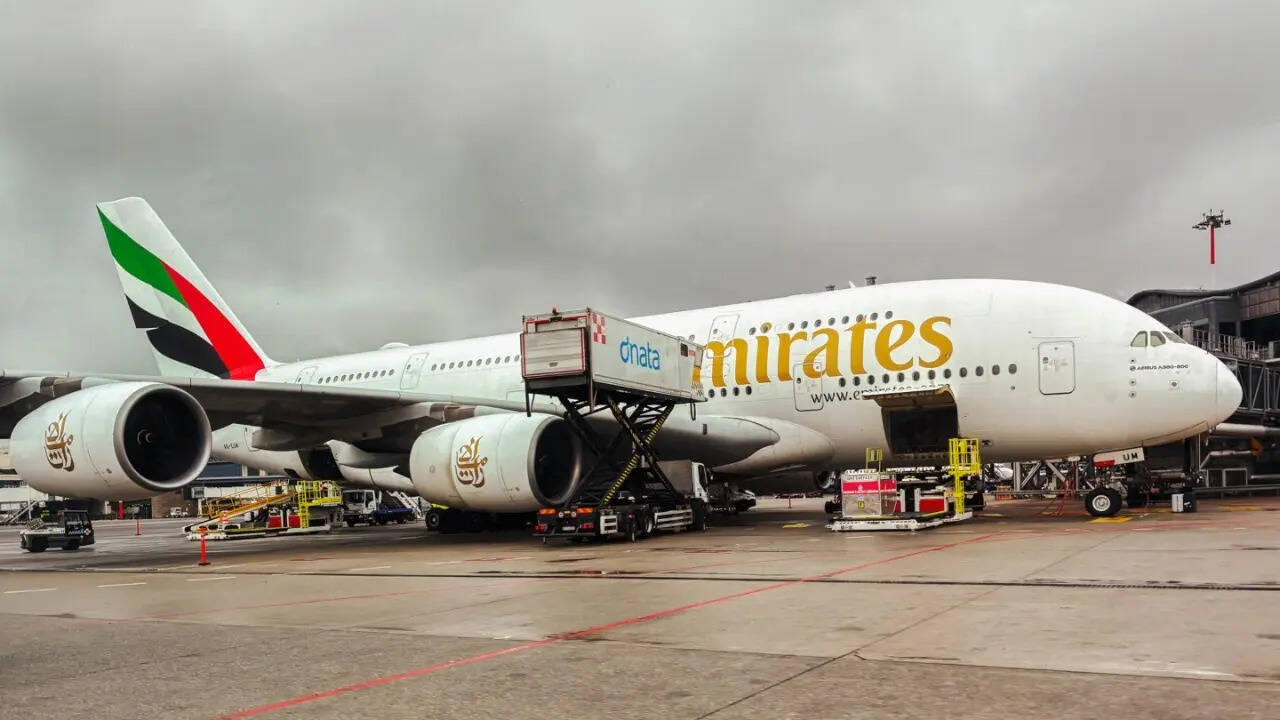
UAE Flight Delays and Cancellations: Weather Disrupts Dubai, Abu Dhabi Travel
Airlines including Emirates and Etihad have been operating reduced or adjusted schedules, rather than full capacity. This means that the system has less buffer capacity, making it more vulnerable to fresh disruptions like bad weather.The UAE is not alone. Across the Middle East, severe weather earlier this month led to over 1,200 flight cancellations and hundreds of delays across major hubs like Dubai, Doha and Riyadh. Such large-scale disruption shows how quickly aviation networks can be impacted when weather systems intensify, especially in regions where multiple hubs are tightly interconnected.
Stranded travellers and rising uncertainty across the UAE airports
For many passengers, the disruption is more than an inconvenience. Recent reports indicate that thousands of travellers have been stranded or delayed, hotels across Dubai have seen a spike in extended stays and transit passengers are facing longer-than-expected layovers. The uncertainty has also led to confusion, particularly for those with connecting flights or tight travel schedules.While rain may seem minor, aviation operates under strict safety thresholds. Unstable weather can reduce visibility for takeoff and landing, create wind shear and turbulence risks and slow down ground handling and runway operations. Even brief weather events can cause cascading delays, as aircraft rotations and crew schedules fall out of sync.As unstable weather compounds earlier regional airspace disruptions, UAE aviation is operating in a high-alert, limited-capacity mode. The airports (DXB and DWC) are open but under pressure, operational but disrupted with delays that are “significant and increasing” across departures and arrivals. The key advisory is only to travel if your flight is confirmed as the reality on ground is marked by slower processing, longer queues and cascading delays. Dubai’s aviation system is functioning but with reduced efficiency due to weather and backlog from earlier disruptions.
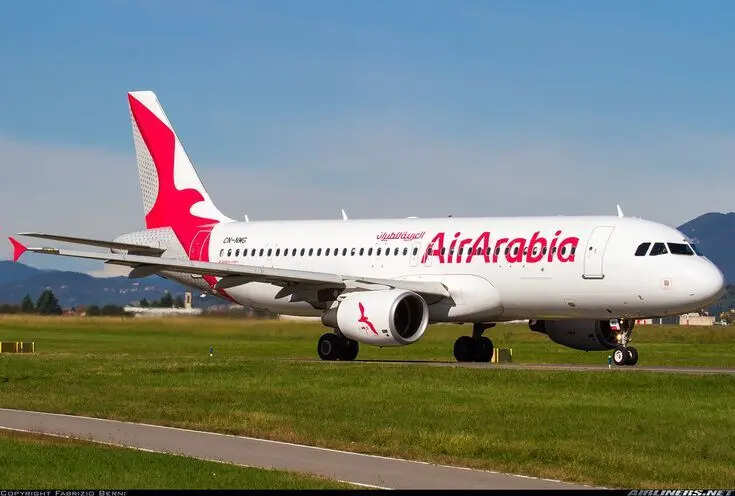
UAE Aviation Chaos Amid Bad Weather And Fragile Recovery
Other UAE airports, including Ras Al Khaimah International Airport and Fujairah International Airport, are under partial recovery with limited operations resumed so check directly with airlines before travel as smaller airports are operational but not fully stable.
Emirates
- Current status: Operating reduced schedule to 100+ destinations; some minor cancellations (~5%) still reported
- Advisories: Passengers travelling during bad weather must allow extra time to reach airport; check flight status close to departure time
- Passenger support: Free rebooking and refunds for affected travellers
In short, flights are running but expect delays and last-minute changes.
Etihad Airways
- Current status: Operating limited and carefully controlled schedule; earlier full suspensions now eased but not fully normalised
- Advisories: Do not travel to airport without confirmation; monitor updates closely due to changing conditions
- Passenger flexibility: Rebooking allowed for extended dates (up to mid-May in some cases)
In short, there is a gradual recovery but flights are still operating below full capacity.
Flydubai
- Current status: Running a reduced schedule after earlier suspensions; some routes still affected by weather and airspace issues
- Advisories: Flights may be delayed or rescheduled; customers encouraged to rebook within flexible windows
- Passenger options: Free changes within a set period (often up to 20 days from original date)
In short, flights are operational but inconsistent so expect variability by route.
Air Arabia
- Current status: Operating limited flights subject to approvals
- Advisories: Some flights still cancelled or pending confirmation; passengers will be notified directly if affected
- Passenger support: Rebooking and refunds available for disrupted bookings
In shorts, flights are on limited operations so check before every step of your journey.
International airlines
Several global carriers have adjusted UAE routes:
- British Airways – Flexible rebooking for UAE routes
- Lufthansa – Suspended Dubai flights temporarily
- Air Canada – Cancelled UAE routes for extended period
- KLM – Warned of ongoing disruptions
In short, iternational connectivity is still recovering so expect ripple effects. This is is not just about rain. The disruption is driven by a double impact of unstable weather (rain, wind and poor visibility affecting take-offs and landings) and regional airspace instability (earlier airspace closures and flight suspensions then ongoing rerouting and safety restrictions). Together, these have created a fragile aviation system with limited buffer capacity.
What travellers in UAE should do right now
The messaging from airlines has been consistent and urgent. Passengers are being advised to:
- Monitor official airline channels for updates
- Avoid arriving at the airport without confirmed flight status
- Prepare for last-minute changes
- Arrive earlier than usual
- Stay in constant contact with airline
In some cases, airlines are offering free rescheduling, refund options for cancelled flights and flexible travel policies during disruption windows. Travel experts also warn that rebooking options may be limited due to high demand and reduced flight frequency.Authorities and airlines are repeating the same advice:UAE aviation is not shut down but it is operating below full capacity. Recovery is happening in phases, not instantly. Over 50+ flights resumed recently but schedules remain fluid and subject to sudden changes. If you are flying in or out of the UAE right now, your flight may still operate but not as planned. Between unstable weather and lingering airspace disruptions, UAE aviation is in a transition phase, where flights are running but predictability is low and flexibility is essential.In short, this is not a shutdown but controlled turbulence. The outlook remains cautiously optimistic. Meteorological forecasts suggest that unstable weather conditions will gradually ease towards the weekend and flight operations should begin normalising in phases. However, experts warn that full recovery may take longer, as airlines work through backlogs and rescheduling challenges.The current situation highlights a broader shift in global aviation. Travel is no longer just about schedules, it is about adaptability. Between weather volatility, airspace restrictions and operational constraints, air travel is becoming increasingly dynamic, requiring passengers to stay informed and flexible.For travellers flying through the UAE this week, expect delays, stay updated and plan ahead. While airports remain operational, the combination of unstable weather and an already fragile recovery phase has created a perfect storm for disruption.