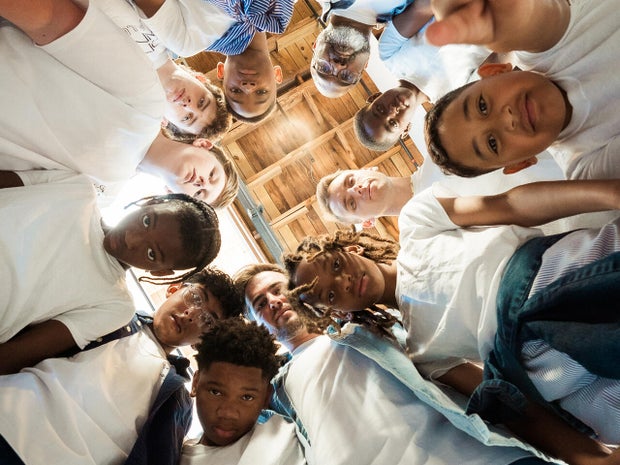
On this Father’s Day, thoughts from contributor Charles Blow about growing up without a dad:
I know what it feels like to miss a father, the hole it leaves in a boy where his dad should be.
My parents split when I was five. The part of my father that the breaking of our family didn’t take, his alcoholism did. I experienced him primarily as an unpredictable apparition who occasionally stopped by in the middle of the night, waking us, reeking of booze, talking loudly and breaking our peace, on his way home from a night out.
But I was lucky. A constellation of other men stepped into the void he left — grandfathers and uncles, neighbors and coaches providing the guidance and correction, the modeling of composure and possibility that boys need, the kind that can only come from a man like the ones they will become.
I have always wanted that for all boys similarly situated: a community of men to bridge their way.
So, when I came across an organization, Son of a Saint, in New Orleans, that does just that — and primarily for boys in even greater need than I was — I was moved.
The organization largely serves boys whose fathers have passed away or been locked away. It was founded in 2011 by Bivian “Sonny” Lee III, whose own father had played for the New Orleans Saints, but died when Sonny was three years old. He has made it his mission to transform the lives of boys like the one he was.
Meghan Langley/Son of a Saint 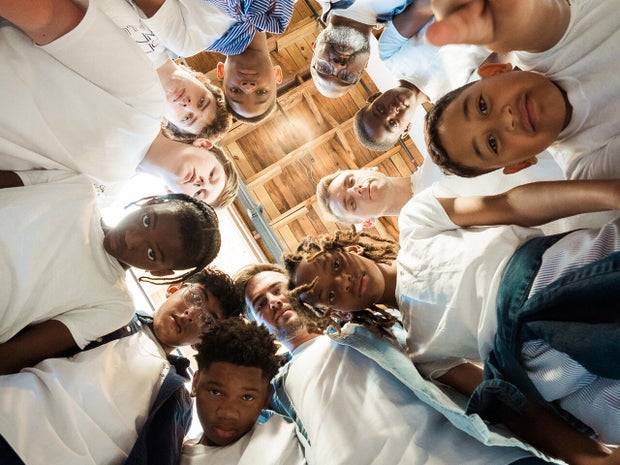
Earlier this month, I visited the group’s headquarters, a beautifully-transformed building in the Bayou St. John neighborhood that serves as something of a community center for the organization and the boys in its care. They have classes (the boys really love the cooking classes), and hold meetings. The group provides not only mentors, but case teams for each boy, ensuring that all his needs are met, from academic to emotional.
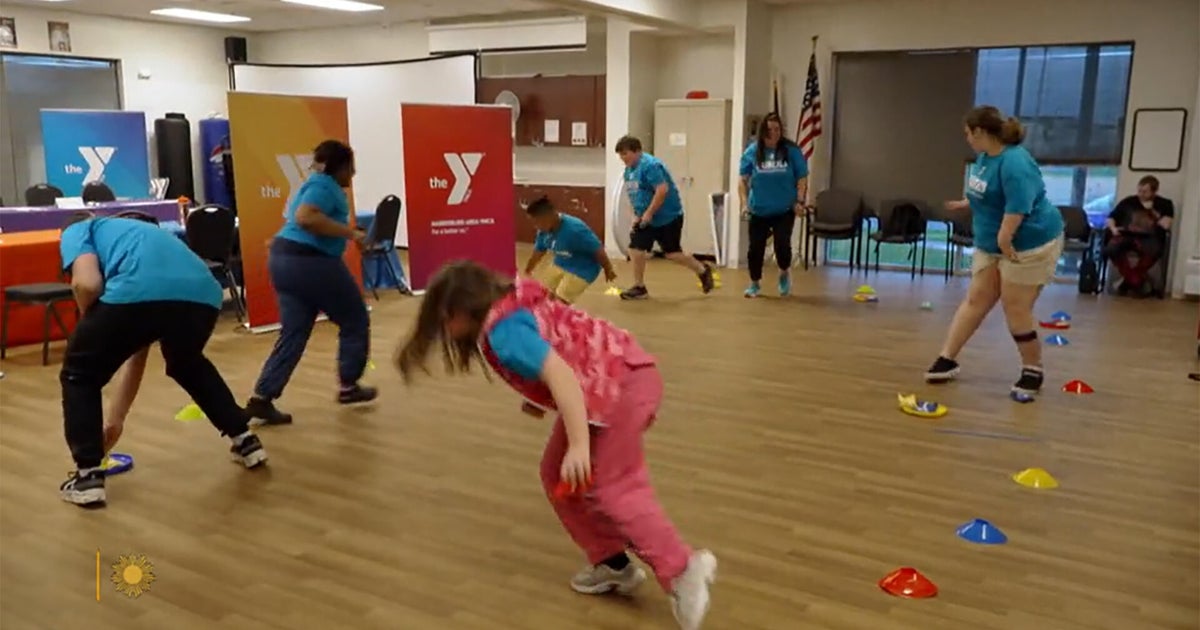
When I was there, I observed a wellness class: beaming boys competing in teams, learning concepts about their own mental health, free from any judgement or the strictures of a distorted masculinity that frowns on such things.
I sat down with 16-year-old twin brothers Michael and Robert, who had easy smiles and fidgeted in their chairs the way teenage boys do as they grow into their bodies. They joined the program three years ago, when their dad passed away. They lit up when they told me about the summer camps in the Northeast that the organization paid for them to attend.
I asked each boy I met that day how he celebrated Father’s Day, and almost all of them said they did so with their mentors from the program — the men who stepped into the breach.
For more info:
Story produced by Robbyn McFadden. Editor: Emanuele Secci.