The Justice Department on Tuesday asked a federal court to vacate Jan. 6 convictions against a dozen former members of the right-wing Proud Boys and Oath Keepers, most of whom were convicted of seditious conspiracy — aiming to wipe away some of the final Capitol riot charges that are still standing.
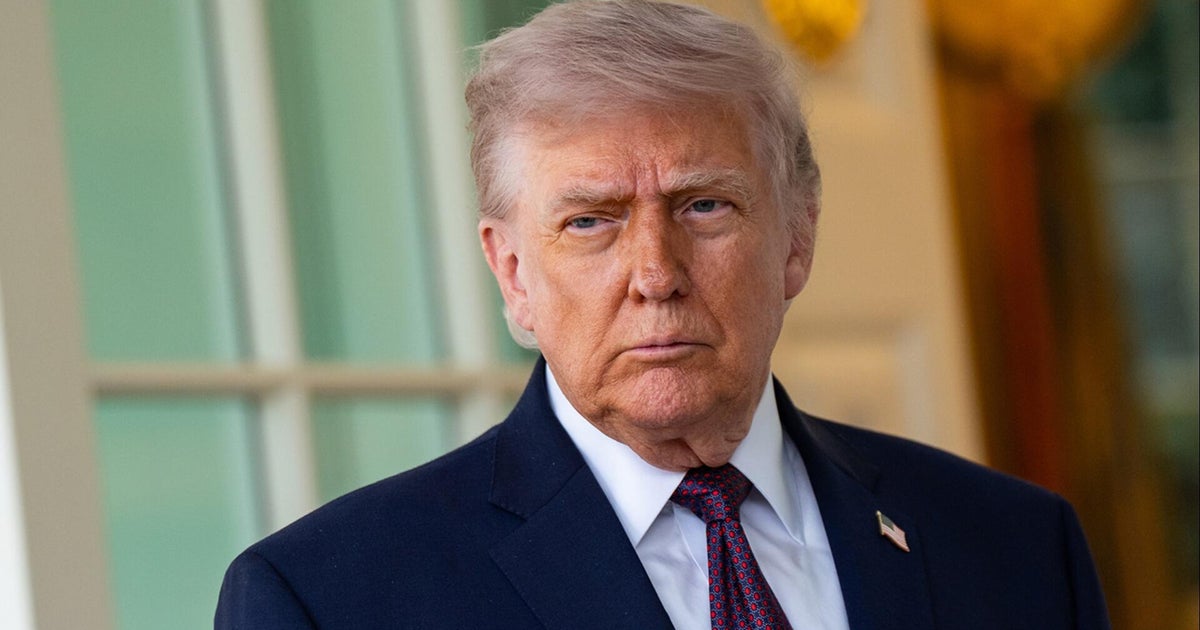
Hours after returning to office last year, President Trump issued pardons for almost everybody convicted in connection with the Jan. 6 riot. But 14 people — including the 12 referenced by the Justice Department on Tuesday — instead had their sentences commuted to time served, allowing them to leave prison while leaving their convictions in place.
The 12 include Stewart Rhodes, founder of the Oath Keepers and one of the higher-profile Jan. 6 defendants. At the time of his conviction, prosecutors said Rhodes and other members of his group “began plotting to oppose by force the lawful transfer of presidential power” after Mr. Trump lost the 2020 election. On the day of the riot, Rhodes “coordinated activities” as a group of Oath Keepers marched on the Capitol, the Justice Department said.
Rhodes was sentenced to 18 years in prison for seditious conspiracy and other charges.
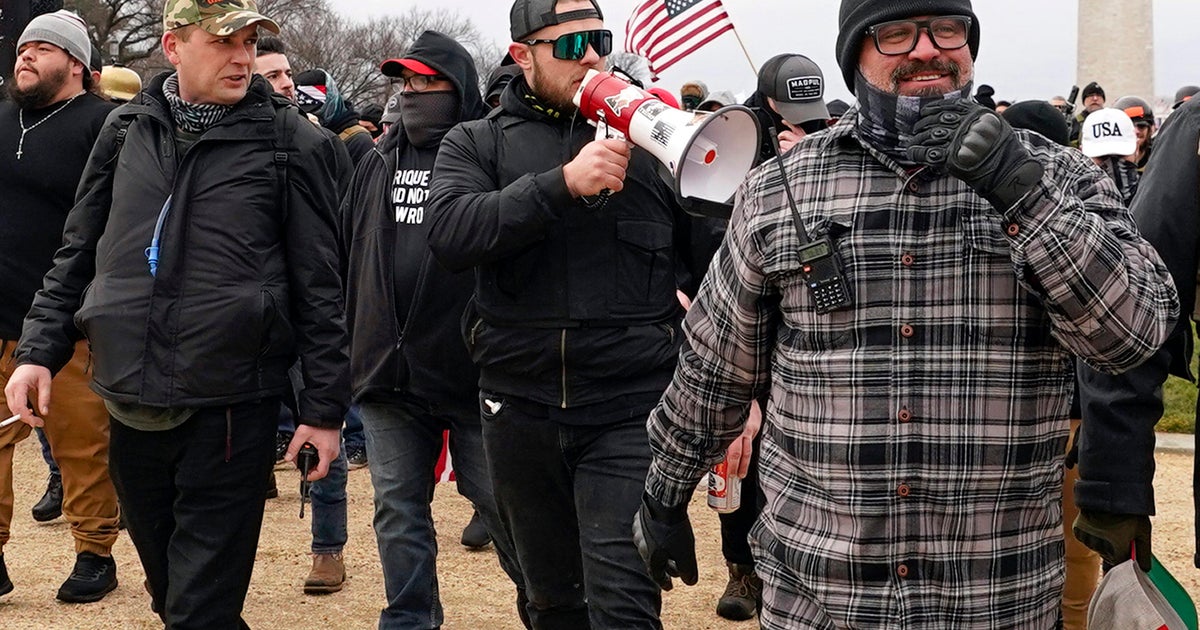
Also included are four Proud Boys who were convicted for their role in the Jan. 6 attack. Those include Ethan Nordean, one of the far-right group’s leaders, who was sentenced to 18 years in prison after being convicted of seditious conspiracy alongside Joseph Biggs and Zachary Rehl.
A fourth Proud Boy whose conviction the Justice Department is trying to vacate, Dominic Pezzola, became one of the more recognizable faces of the attempted insurrection after video showed him smashing a Capitol window with a riot shield. He was convicted of assaulting or resisting officers, robbery involving government property, obstruction and other charges.
The Justice Department said at the time that Nordean and Pezzola “participated in every consequential breach at the Capitol,” leading a group of Proud Boys onto the Capitol grounds, resulting in the dismantling of barricades, breaching of the Capitol building, assaults on police and destruction of property.
In three separate cases where the 12 rioters had appealed their convictions, the Justice Department on Tuesday asked for federal appeals panels to vacate lower court judgments with prejudice, meaning the cases could not be brought again.
“In the Executive Branch’s view, it is not in the interests of justice to continue to prosecute this case or the cases of other, similarly situated defendants,” federal prosecutors in the U.S. Attorney’s Office in the District of Columbia wrote in one filing signed by U.S. Attorney Jeanine Pirro. Prosecutors wrote that the defendants’ attorneys didn’t oppose the motions.
Pirro’s office declined to comment on the filings, and the Justice Department did not immediately respond to a request for comment.
Not included in the initial batch of motions on Tuesday evening was Thomas Caldwell, who authorities said assisted the Oath Keepers, and Jeremy Bertino, a former Proud Boy leader who pleaded guilty to seditious conspiracy charges against him in 2022.
Last year, Trump-allied lawyer Peter Ticktin asked top Justice Department officials to consider granting full pardons to the remaining Jan. 6 riot defendants who were not given full clemency by Mr. Trump. Ticktin told CBS News last year he had been working on behalf of Rhodes, as well as Biggs, Nordean, Rehl and Pezzola.
Tuesday’s filings mark an attempt by the Justice Department to dismantle some of the final remnants of the Jan. 6 probe, which was the largest investigation in the department’s history.
Upwards of 1,500 people were arrested in connection with the riot, most of whom had been convicted or pleaded guilty to charges ranging from trespassing to assaulting police officers. More than 700 defendants completed their sentences or did not receive sentences of incarceration. Over 170 people were accused of using a deadly or dangerous weapon against police officers, such as a fire extinguisher or bear spray.
Mr. Trump has long decried the prosecutions, calling the defendants “hostages” who he claims were treated “viciously” in prison. In some cases, he has sought to rewrite the events of Jan. 6, calling it a “day of love” prompted by his unproven claims of voter fraud, and referring to some of the assaults on police as “very minor incidents.”