A New York jury ruled on Wednesday that Live Nation operated as an illegal monopoly, handing dozens of states an important legal win against the ticketing giant.
The states in the civil case accused Live Nation of stifling competition, limiting consumer choice and driving up ticket prices.
Live Nation reached a deal with the Department of Justice last month to pay $280 million to states that sued the company over its practices. However, a contingent of states vowed to move forward with litigation in what Attorney General Letitia James of New York said was an effort to “restore fair competition to the live entertainment industry.”
As part of the March agreement with the Justice Department, Ticketmaster was required to sell at least 13 of its amphitheaters and enable third parties to use its technology system to sell tickets. Live Nation is the parent company of Ticketmaster.
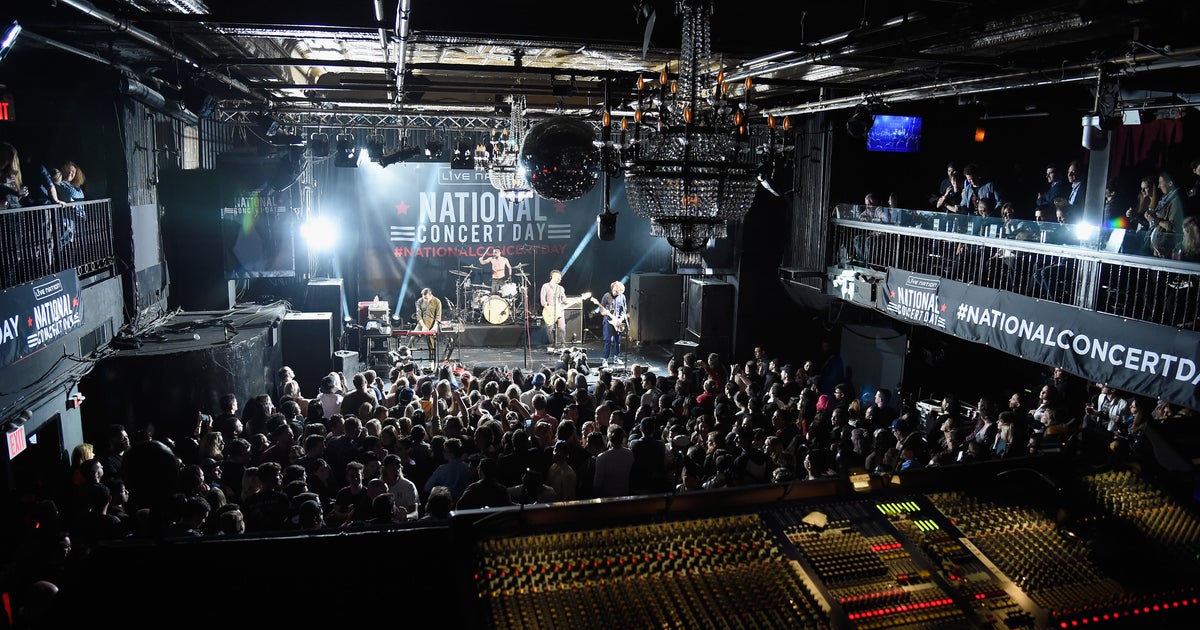
Live Nation Entertainment owns or has an equity interest in hundreds of venues, which it also operates and controls bookings for.
The verdict came after less than a week of deliberations in a federal courtroom in New York. The judge in the case will now determine the total damages amount and penalties, according to California Attorney General Rob Bonta’s office, which was part of the lawsuit.
Live Nation did not immediately respond to a request for comment. The ticketing company has denied that it holds a monopoly over the ticketing industry.
Ticketmaster, founded in 1976 in Phoenix, Arizona, was acquired by Live Nation in 2010. After merging, the new entity, Live Nation Entertainment, billed itself as the “largest live entertainment company in the world” and the “largest producer of live music concerts in the world.”
In 2025, Live Nation’s concert business generated nearly $21 billion, or 83% of its total revenue for the year, according to the company’s annual report.