
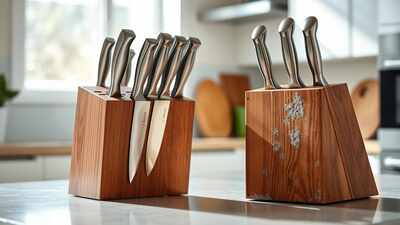
Recall a time when you rummaged through a kitchen drawer looking for a chef’s knife. If you spent your time searching amidst a jumble of metallic utensils like spatulas, whisks, and bulky spoons before finding it, you may have inadvertently committed yourself to an unspoken mistake in culinary technique. Even as we focus our attention on how we hold our knives while cooking, professionals believe that where we store them plays an equally significant role in how well we preserve their edge. An excellent knife can last for decades, yet storing it carelessly in a drawer can ruin it in weeks.In this case, the biggest villain is known as micro-abrasion. The blade is constantly rubbing up against other metals within the drawer, causing the formation of tiny nicks and folds in the metal. You can’t see these damages, but you certainly feel their presence when your attempt at cutting into a tomato results in your being unable to proceed further. However, even apart from the blunting effect, an overstuffed, messy drawer represents a dangerous situation. Your fingers could easily be stabbed by some of the items in the mess.How important proper storage is compared to sharpeningThe notion that knives get dull simply because they cut vegetables and fruits is a popular belief, but it couldn’t be further from the truth. As reported by the Washington Post, storage conditions play a much more prominent role in the deterioration of knives’ sharpness than actual use. The newspaper cites an expert who claims that storing knives separately from each other is the best way to keep them sharp.A popular choice among chefs is the magnetic knife holder. Simply put, hanging your knives on these magnetic strips makes them visible to the eye while making sure that their edges come into contact only with the magnets, thus avoiding any damage to the blades. Besides, this kind of knife holder facilitates hygiene, since storing your knives properly allows air to circulate around them, which leads to full drying. In fact, drying your knives is important to avoid rust formation.
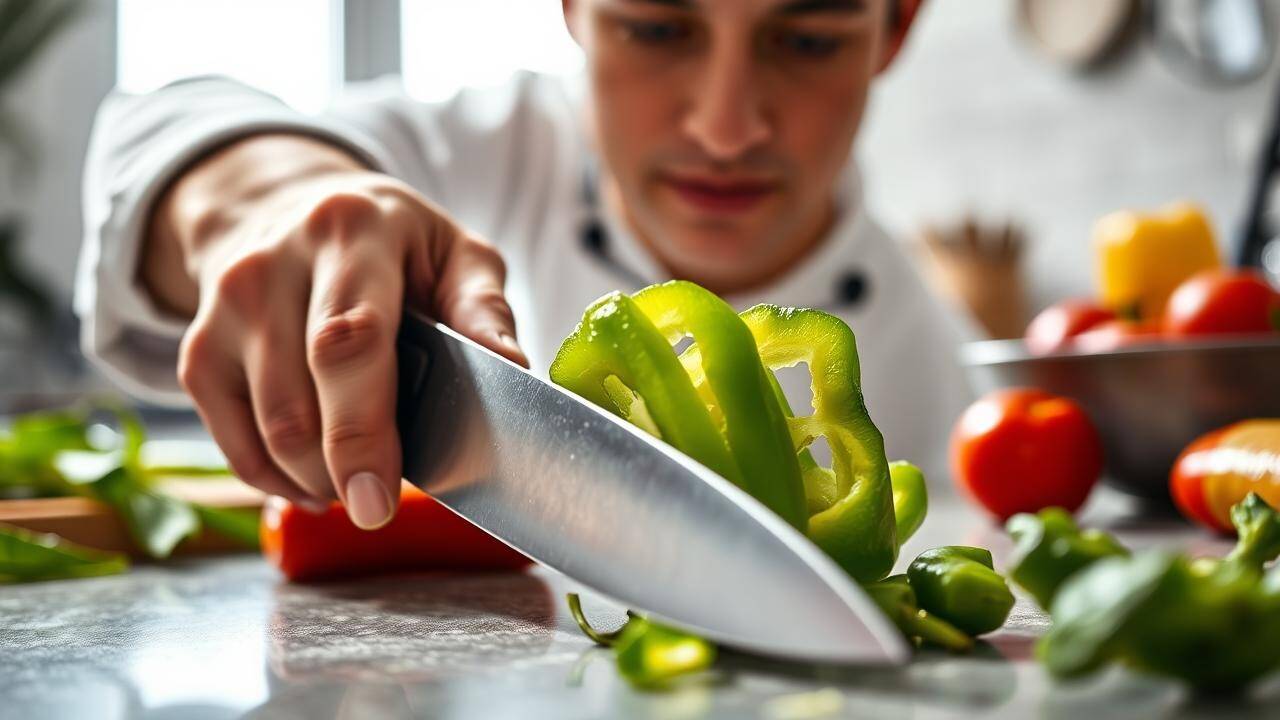
This practice prevents damage, ensures hygiene, and reduces the risk of accidental cuts, making cooking safer and more efficient.
For people who want a neat countertop, the traditional knife block can still do the trick. But here’s how to make use of it properly. It is recommended to clean your knives and make sure they are absolutely dry before placing them in the slots. Leaving a wet knife in a wooden block will create an environment conducive to mould formation and rust spots on the blade. Opt for durable blocks made of hardwood such as acacia or walnut, ensuring maximum protection for your blades.Science behind a sharp kitchen experienceNot taking care of your utensils will not only result in blunt edges. Poor performance also negatively affects your mental and physical well-being when working with inferior tools. The Washington Post article reveals that knives that are blunt increase the effort significantly, leading to a higher probability of cutting yourself as you will be forced to apply excessive pressure, risking the blade slippage on onions and peppers. Sharp knives, however, will allow for effortless slicing while minimising injury risks.Moreover, insufficient education regarding the appropriate storage of cutlery also explains why there are still households that resort to using junk drawers for their cutlery. Casual chefs assume that knives are practically indestructible; however, it must be noted that the cutting edge of an industrial knife has been honed to a razor-like thinness that is smaller than a strand of human hair. Such an edge will certainly be susceptible to damage when placed inside a container with a metal ladle.The investment does not have to be too much. Even cheap edge guards made from cork or plastic could be sufficient to protect your knife blades when you put them in drawers. It’s the isolation of the edge that should be taken into account. In this regard, the guidelines provided by Food Network suggest that constant practices such as hand washing, drying, and storage of knives make the difference between a disorganised chef and a productive one. Taking care of knives as valuable instruments, you’ll spend less time on cooking while having fun doing it.