
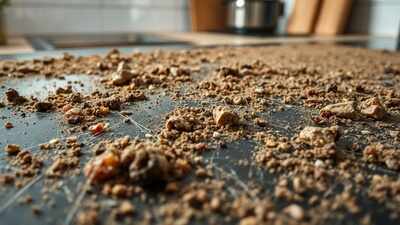
Its polished appearance creates an aura of luxury in the kitchen, making it resistant to spills. However, there is always a mystery that keeps coming up whenever one tries to clear it: minute scratches appear again in the form of spider webs. It is always assumed that such scratches are due to the heavy weight of objects, but sometimes the tools responsible are our cleaning materials themselves.The problem begins at the very first step in the process, which is either scrubbing with dry brushes or cleaning with a dry rag, used for removing any dry leftovers. On one hand, it does not require much effort; however, when viewed from a different perspective, what you are essentially doing is sanding down your expensive cooktop from the outside.Friction, physics, and coatingsGlass appears to be a robust material, but modern glass cooktops feature extremely thin protective layers that reduce glare and repel dirt. Unfortunately, such coatings cannot withstand mechanical energy. The research titled Soiling, Cleaning, and Abrasion: The Results of the 5-Year Photovoltaic Glass Coating Field Study explains the effect of these processes on the coating.The researchers found that dry brushing is one of the most destructive habits for glass coatings. In the study, dry brushes were shown to have the highest “abrasion factors,” meaning they physically ploughed through protective layers much faster than any other method. While the study focused on outdoor glass, the mechanical principles are identical for your kitchen. Every time a dry bristle drags a grain of salt or a speck of dust across the glass, it acts like a tiny diamond-tipped tool, leaving a microscopic groove behind.
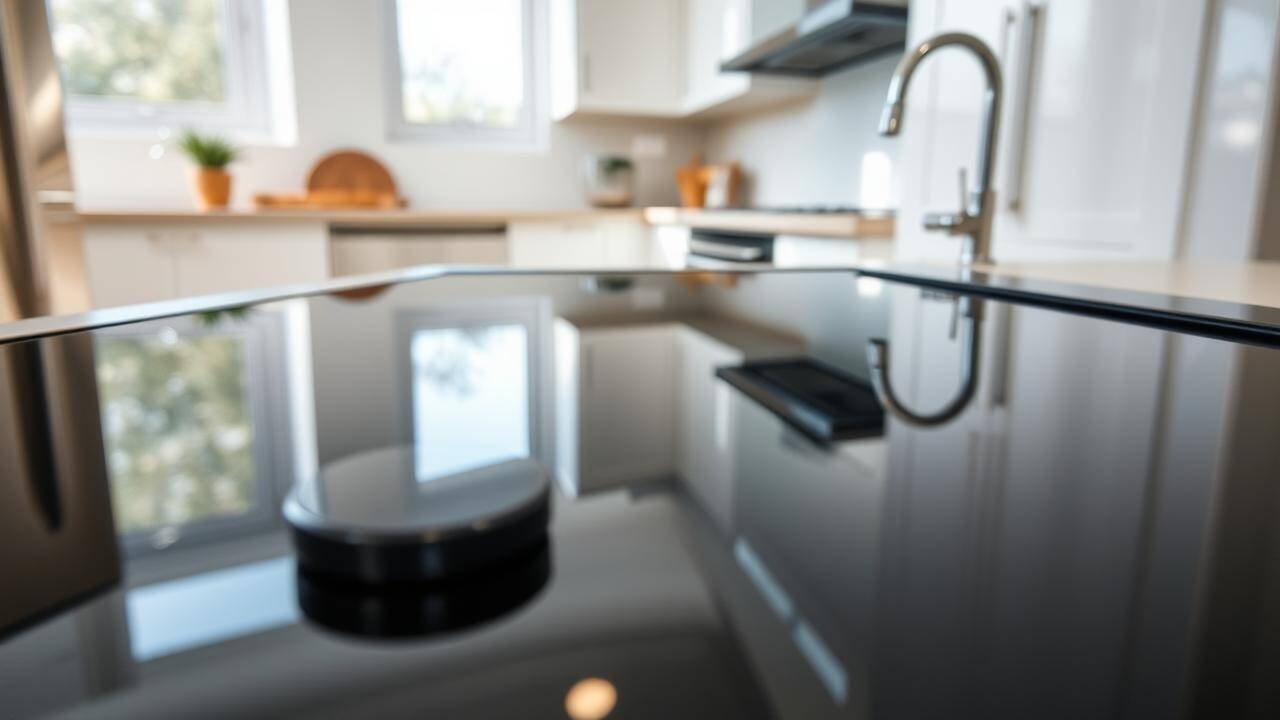
Experts recommend a wet cleaning approach, using moist sponges and microfiber cloths to lubricate and gently lift debris, preserving your stovetop’s shine for years.
The scratches begin from minor markings that gradually transform into deep lines all over the glass surface. As soon as the protective layer gets worn off, the glass becomes susceptible to attracting dirt. The dirt will accumulate inside the small cracks, causing difficulty in cleaning the glass stove.From cleaning to lubrication: Tips on preserving your glass stovetopThe combination of lubrication and appropriate tools is what can help your stovetop last longer. According to the above research, the wet technique is highly recommended. By applying a moistened sponge, one can use the water to lubricate the surface to remove dirt without further scratching the glass. It was stated in the study that the optimal method of cleaning is a wet sponge with a squeegee.Another factor to consider is the environmental grit that settles on your stove. Even when you haven’t been cooking, household dust and mineral deposits from hard water can settle on the glass. If you wipe this away with a dry paper towel, you are essentially rubbing grit into the surface. Research published in Solar Energy Materials and Solar Cells, within the field of Photovoltaic operation system efficiency, emphasises that even organic matter can harden and create friction points during cleaning.In order to ensure that your range remains beautiful over time, give the soak-and-slide technique a try. Forget those rough brushes and cover the stains on your cooktop with a warm, wet microfiber cloth. Once the debris is loose, you can wipe the surface with a sponge and finish off with a squeegee or microfiber towel.Change the way you clean your cooktop by using wet tools instead of those dry brushes. It’s such an easy thing that can guarantee years of perfect cooking without any spots on your meals.