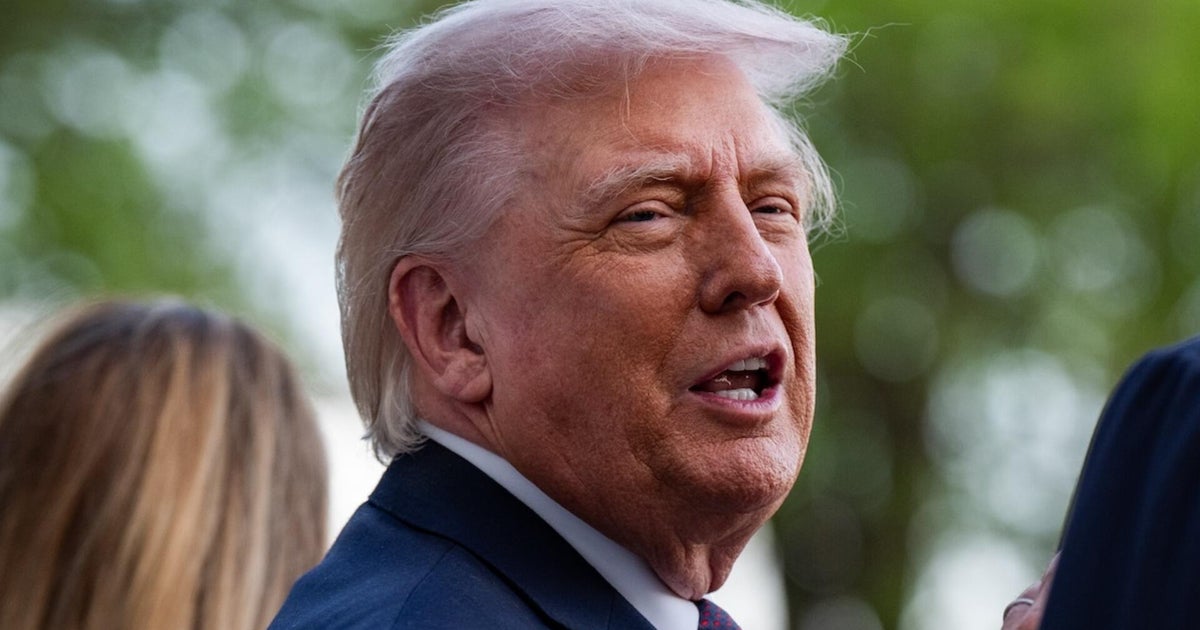
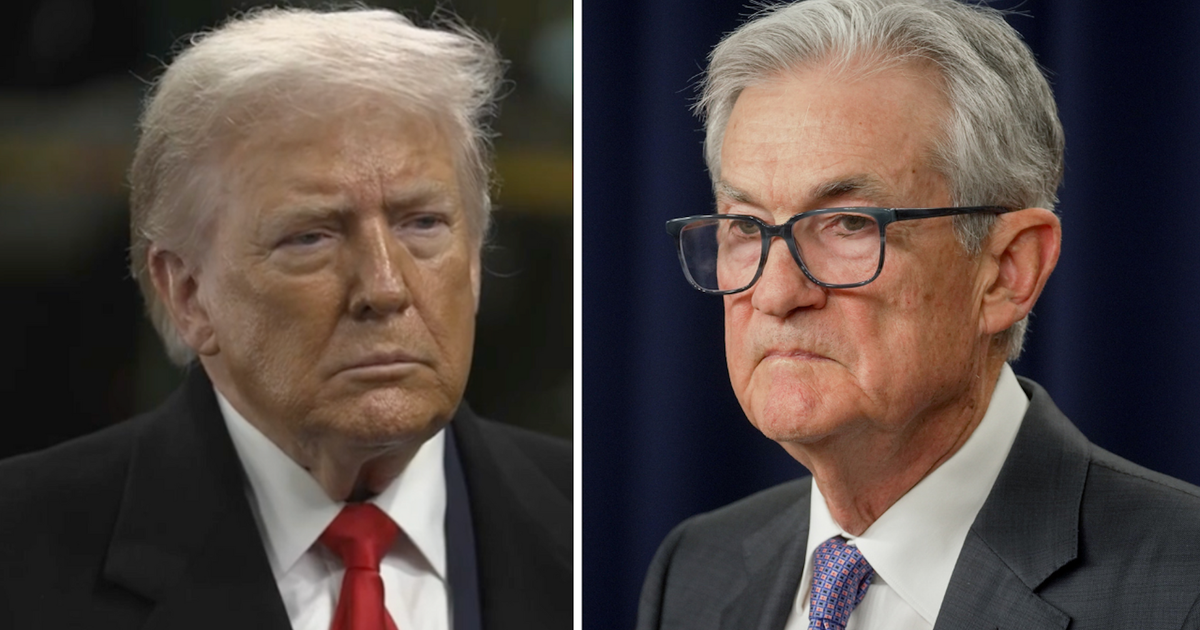
President Trump’s latest threat to fire Federal Reserve Chair Jerome Powell could put them on a collision course when the latter’s term as head of the central bank ends on May 15.
In an interview with Fox Business’ Maria Bartiromo on Wednesday, Mr. Trump said he would dismiss Powell if the policymaker stuck to his pledge of staying on as a Fed governor as long as the Department of Justice continues a criminal probe into ongoing building renovations at the Fed. Powell has said the investigation is intended to pressure him into supporting lower interest rates or resigning.
“Then I’ll have to fire him, OK, if he’s not leaving on time, I’ve held back firing him,” Mr. Trump told Bartiromo. I’ve wanted to fire him. But I hate to be controversial.”
Mr. Trump’s comment follows a string of previous threats he’s made about removing Powell, with the president citing dissatisfaction with the Fed’s pace of interest rate cuts, which he has characterized as too slow.
But ousting Powell would be legally dubious, Dan Urman, director of the law and public policy minor at Northeastern University, told CBS News.
“As the law currently stands, it is not legal for President Trump to fire Powell at any point — as chair or as governor — unless the firing is ‘for cause,'” he said. “The Federal Reserve Act of 1913 says the Federal Board of Governors can only be fired for serious misconduct.”
He added, “Powell has done no such thing.”
Fed governors serve 14-year terms, compared with four years for the Fed chair. As a result, the head of the nation’s central bank can remain on the Fed’s board even after exiting as chair. In Powell’s case, his term as chair ends May 15, while his term as a Fed governor runs through January 2028.
Warsh’s delayed confirmation
Another potential obstacle to the White House moving to dump Powell in the near term is the slow-moving effort to confirm former Fed official Kevin Warsh as the new Fed chair. Republican Sen. Thom Tillis of North Carolina has said he won’t vote to confirm any Fed nominees until the Justice Department’s investigation into the Fed renovations is dropped.
“Trump today said he intended to fire Powell if he does not leave when his term expires, which would open another legal battle that would only intensify Powell’s resolve to remain at the Fed,” said Tim Duy, chief economist at SGH Macro, in a research note. “It increasingly appears that Trump’s animosity toward Powell prevents an offramp that would allow a smooth transition to Warsh.”
Asked in March about the delay in confirming Warsh, Powell said he would serve as pro tem chair of the Fed until a successor can step into the role.
Although Mr. Trump could name Fed governor Stephen Miran as acting Fed chair on May 15, that move would likely face a legal challenge, TD Securities analyst Jaret Seiberg said in a note to investors.
“Jerome Powell has said that he would serve as ‘chair pro tem’ until his successor is confirmed. So Powell could sue, suggesting that he, not Miran, is chair. It’s quite messy,” Urman said.
Reached for a response about Mr. Trump’s remarks, the White House pointed to Treasury Secretary Scott Bessent’s comments at a Wednesday press conference.
“I am very optimistic that Kevin Warsh will be the chair of the Fed on time, and that will be a moot question,” Bessent said.
If Mr. Trump follows through on his threats to fire Powell, investors would likely react negatively, said Columbia Business School professor Brett House, noting that financial markets value the Fed’s ability to steer monetary policy independent of political pressure.
“There’s little question that markets will sell off if President Trump attempts to fire Jerome Powell,” House said.
A crucial precedent in June?
The Supreme Court is currently weighing two cases about whether a U.S. president has the legal authority to remove leaders of independent federal agencies, with one involving Fed governor Lisa Cook. Mr. Trump tried to fire Cook in August over allegations she had engaged in mortgage fraud, which she denied. Cook hasn’t been criminally charged.
In informing Cook of her removal, Mr. Trump wrote in a letter shared on social media that he had “sufficient cause” to do so because of what he claimed was “deceitful and potentially criminal conduct in a financial matter.”
The Cook case “is directly on point and asks if the president can fire a Federal Reserve Board member,” Urman said, adding that the Supreme Court is expected to hand down its decision by late June — after Powell’s term as Fed chief ends. “We should know where the law stands by the summer, but any attempts to fire Powell before then would pretty clearly be unlawful.”